

Flashbacks or nightmares
Avoidance of certain people, places, or situations
Emotional numbness or detachment
Sudden emotional outbursts or breakdowns
Hypervigilance or being easily startled
Guilt, shame, or self-blame
Mood swings, anger, or irritability
Trouble trusting others or maintaining relationships
Body aches or fatigue without a medical explanation
Difficulty concentrating or staying present
Feeling unsafe, even in safe environments

Post-Traumatic Stress Disorder (PTSD) may occur after experiencing or witnessing a traumatic event. It includes symptoms such as flashbacks, emotional numbness, and sleep issues.

Unresolved childhood trauma—emotional neglect, abuse, or instability—can affect how we view ourselves and relate to others even in adulthood.

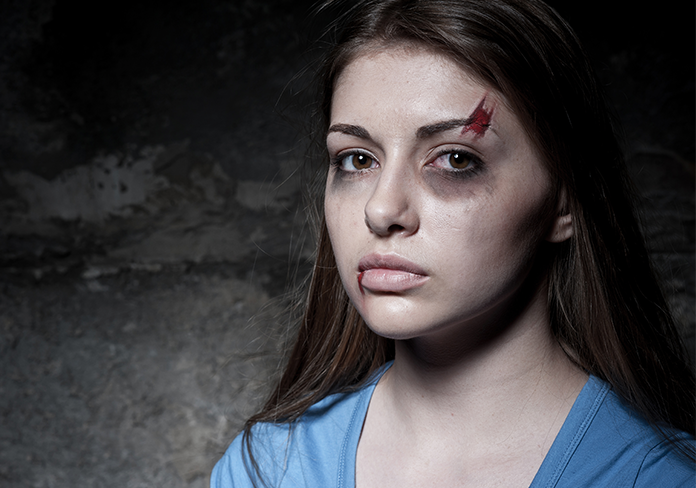
Ongoing or past emotional, physical, or verbal abuse from a partner or family member can lead to deep emotional scars and trust issues.
Trauma-Focused CBT
To reframe distressing thoughts and reduce the emotional impact of trauma.
EMDR Therapy
Eye Movement Desensitization and Reprocessing helps process traumatic memories in a safe way.
Mindfulness & Somatic Techniques
Helps ground the body and manage triggers in real-time.
Psychiatric Support
Where needed, medication can support recovery from anxiety, sleep problems, or depression stemming from trauma.
Group Therapy & Peer Support
Safe spaces to share, connect, and grow with others who understand.
Trauma can result from a wide range of experiences, not just what we might consider “extreme.” Accidents, sudden loss, ongoing stress, emotional neglect, or witnessing harm can all cause lasting impacts. Every experience is valid and deserving of support.
You might notice nightmares, flashbacks, difficulty trusting others, strong startle reactions, or emotional numbness. If these feelings or memories interfere with daily life, relationships, or sense of safety, professional help can provide understanding and guidance.
Yes. Healing is possible. With the right support—such as trauma-informed therapy, supportive relationships, and self-care strategies—many people find relief, rebuild trust, and move forward. The path is unique for everyone, and you don’t have to do it alone.


Agan Health is a psychological wellness and mental healthcare centre functioning to help children, adults, women, and the elderly suffering from psychological conditions like anxiety, depression, stress, ADHD and others to break their mental shackles and reinstate them into society.
 Bengaluru
BDA complex, 717/1, 16th Main, 6th B Cross Rd, above Child Central Clinic, 3rd Block, Koramangala, Bengaluru, Karnataka 560034
Mobile - 8068301212
2026 © Agan Health. All rights reserved
 Mood & Emotions
 Anxiety &
Stress
Anxiety &
Stress
 Trauma & Abuse
 Children &
Adolescents
Children &
Adolescents
 Addictions &
Habits
Addictions &
Habits
 Self-Harm &
Suicide
Self-Harm &
Suicide
 Relationships & Family
 Body Image &
Eating
Body Image &
Eating
 Gender &
Identity
Gender &
Identity
 Sleep Disorder